
Hospitality is, at its heart, about people, and much of the industry's attention quite rightly focuses on the human interaction: the warmth of the welcome at reception, the attentiveness of the staff, the speed with which a request is handled and the small acts of consideration that make a guest feel genuinely looked after.
But something happens before any of that…
Guests notice things. Often without consciously realising that they are noticing them.
The moment a guest walks through the entrance, they begin absorbing information about the property. The lighting, the atmosphere, the condition of the surroundings, the appearance of the reception area and the way the hotel presents, all contribute to an impression that has already begun forming before anyone has said, "Welcome."
The First Impression Begins Before the Welcome
Imagine arriving at a hotel after a long journey.
Before you have spoken to anyone, you have already started making judgements, perhaps without even being aware of it.
Does the hotel feel calm and welcoming? Does the environment match what you expected from the website? Does everything appear considered and cared for?
You haven't experienced the room, ordered breakfast or asked reception to help with anything, yet you already have a sense of the property. This is because guests don't experience a hotel as a collection of individual services. They experience it as a whole, and the details combine to create a feeling that can be difficult to define but surprisingly easy to recognise.
The Things Guests Don't Put on the Questionnaire
Hotels naturally concentrate on the things that can be measured.
Was the room clean? Was the staff friendly? Was the check-in efficient? Was breakfast good?
All of these questions matter, but there is another layer to the guest experience that is much harder to capture on a feedback form: the things guests simply feel.
A reception desk that is uncluttered, signage that is intuitive, lighting that feels right, stationery or carefully selected amenities may never be mentioned individually in a review. Yet together they communicate something important… they communicate that the hotel has thought about the experience it is creating.
That impression of thoughtfulness is one of the quiet currencies of good hospitality.
The Hotel Key Card Is One of Those Details
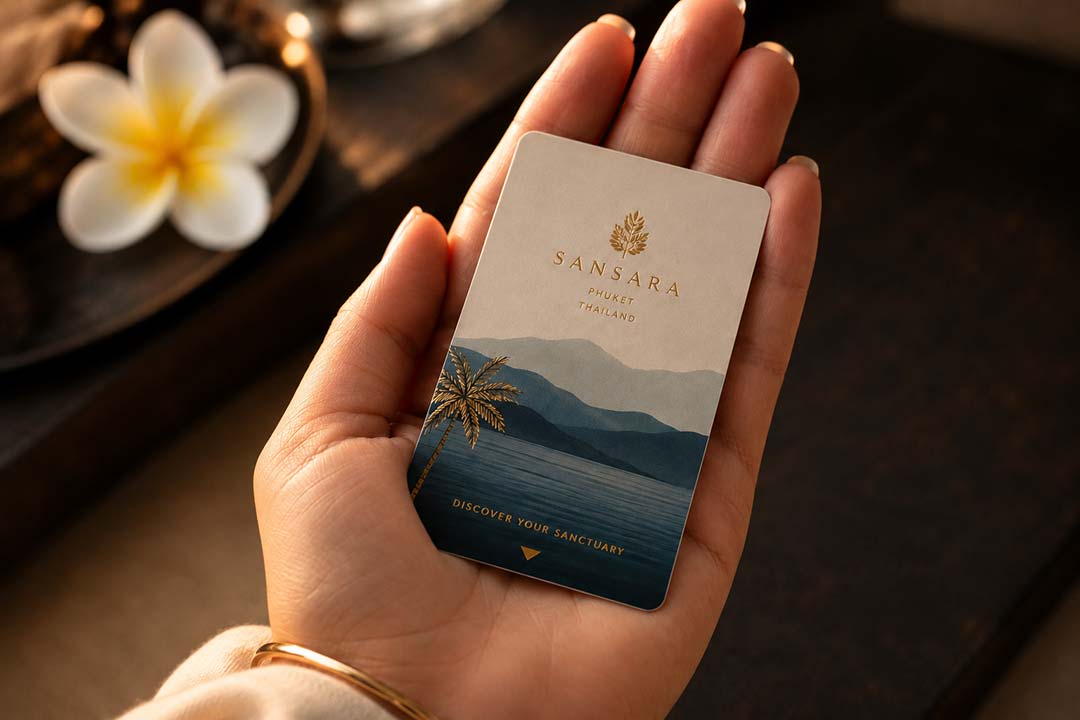
The humble hotel key card is an interesting example because, while it is obviously not the reason someone chooses a hotel, it is usually one of the first physical items placed directly into the guest's hands, accompanies them to their room and is handled repeatedly throughout the stay.
It also carries the hotel's name.
A generic card simply performs its function. A thoughtfully designed card can reinforce the hotel's identity, whether through its colours, imagery, materials or overall aesthetic, and can therefore become another small but meaningful part of the guest journey.
It doesn't need to shout. In fact, good hospitality rarely does.
Small Details Create Big Impressions
Consider a well-appointed hotel room. Guests may notice the quality of the linen, the weight and feel of the door, the presentation of the bathroom amenities or the way the lighting has been considered. None of these elements, taken individually, is likely to determine whether a guest describes the stay as exceptional, but together they contribute to the sense that the property has been thoughtfully put together.
This is an important distinction.
Luxury is often less about adding more, but more about ensuring that the details already there feel deliberate rather than accidental. The same principle applies to the small physical objects that accompany the guest experience, including the key card.
Sustainability Is Becoming Part of the Detail
The question of materials is also increasingly finding its way into these everyday decisions.
Guests may not know whether a hotel key card is made from conventional PVC, recycled material, plant-based material, bamboo or wood, but hotels themselves are becoming increasingly conscious of the environmental implications of the products they purchase and the consistency between their sustainability commitments and the choices they make every day.
A key card is obviously a small item, but hospitality businesses purchase thousands of small items, and sustainability is often the cumulative result of those decisions rather than one dramatic gesture.
GuestLock offers a range of card materials, including conventional PVC alongside recycled, plant-based and selected natural-material options, giving hotels the opportunity to consider sustainability without treating functionality and presentation as separate considerations.
Responsible hospitality doesn't necessarily have to announce itself with a great “ta-ra!”
Sometimes, a whisper is more effective than a roar.
Consistency Is the Quiet Language of a Hotel
There is another quality that guests tend to notice, even if they rarely articulate it: consistency.
If a hotel presents itself online as contemporary and sophisticated but the physical experience feels tired, there is a disconnect. If a property positions itself around nature and sustainability while its guest touchpoints tell a very different story, the message becomes less convincing. Likewise, a hotel that has invested heavily in creating a distinctive visual identity may find that a generic access card feels strangely out of place.
Guests may never consciously identify the source of that inconsistency. They don't necessarily need to. We are remarkably good at recognising when things belong together and when they don't, and hospitality depends heavily on creating a sense that everything belongs.
Service Still Matters Most
None of this is an argument for replacing good service with beautiful objects.
A beautifully branded key card cannot compensate for an unhelpful receptionist, just as an attractive sustainable amenity cannot rescue a poorly maintained room. The human interaction remains at the heart of hospitality, and no amount of attention to physical detail can substitute for people who are attentive, capable and genuinely interested in their guests.
The small details serve a different purpose. They create the environment in which that service is experienced, establish expectations and reinforce the personality of the property. They quietly tell the guest what sort of place they have chosen before the staff have had the opportunity to tell them themselves.
So, What Do Guests Really Notice?
Perhaps the more useful question for a hotel isn't simply, "What will our guests remember?"
It is: "What are they noticing before they even realise they are noticing?"
It could be the atmosphere in the lobby, the way the receptionist greets them, the cleanliness of the lift, the quality of the coffee cup, the information placed beside the bed, or the key card they are holding as they walk towards their room.
None of these things, on its own, constitutes the hotel experience. Yet collectively they contribute to it, often in ways that guests find difficult to describe but immediately recognise.
That is why the smallest touchpoints deserve more attention than they sometimes receive. At GuestLock, we believe that even something as simple as a hotel key card can contribute to a better guest experience when functionality, branding, sustainability and attention to detail come together.
Because great hospitality isn't only about what you do for your guests.
Sometimes, it begins with what they notice before you've done anything at all. 😊